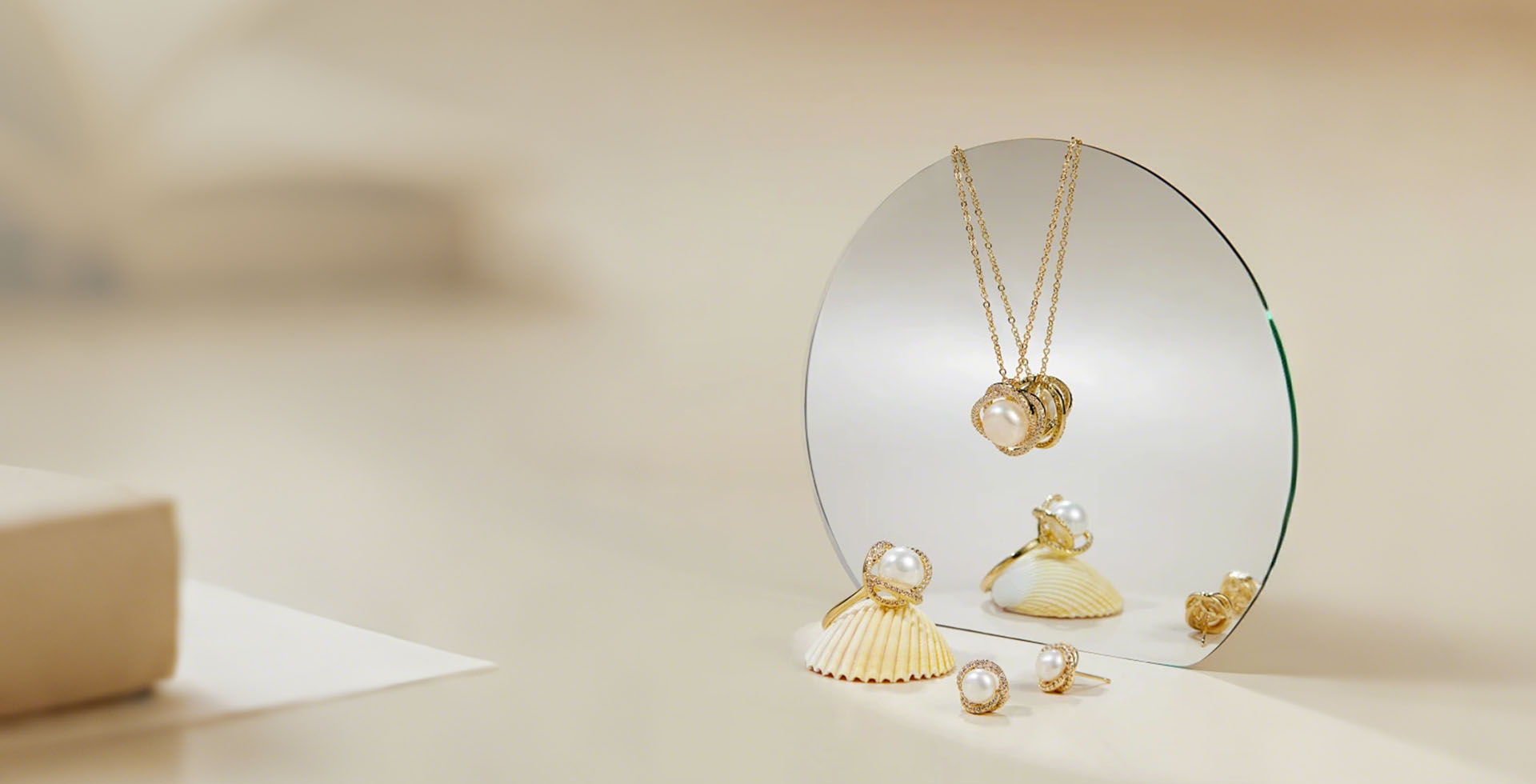
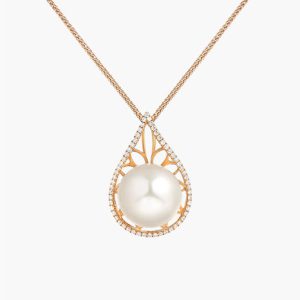
Frivole pendant, mini model
Pearl type
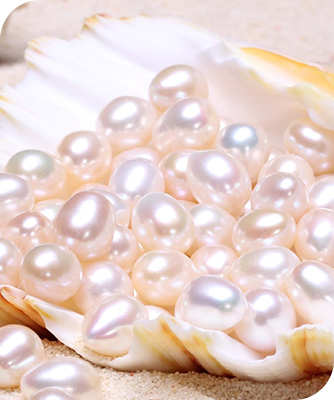
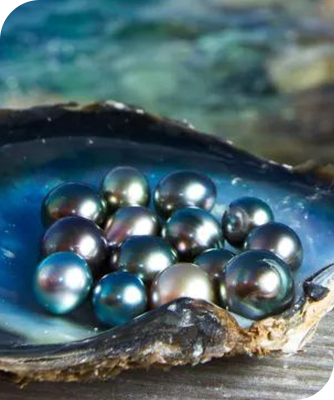
Tahitian Pearls
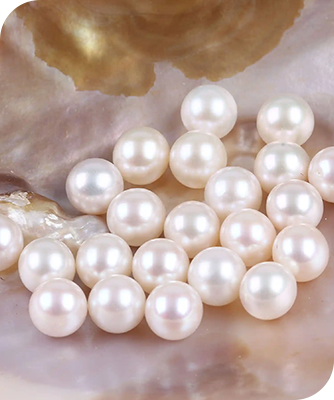
Natural Pearls
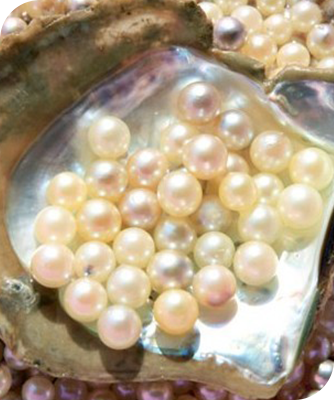
Freshwater Pearls
Baroque Pearls
| Category | Tahitian Pearls | Natural Pearls | Freshwater Pearls | Baroque Pearls |
|---|---|---|---|---|
| Origin | Cultivated in French Polynesia (Tahiti). | Formed naturally in wild oysters or mollusks. | Cultivated in freshwater mussels, primarily in China. | Can be natural or cultured; irregularly shaped. |
| Color | Dark hues like black, gray, green, and peacock. | Wide range of colors, often white, cream, or pink. | White, pink, lavender, and pastel shades. | Varies widely, often unique and vibrant. |
| Shape | Mostly round, but can be semi-round or teardrop. | Rarely perfectly round, often irregular. | Round, oval, button, or baroque. | Irregular and non-symmetrical. |
| Size | 8mm to 18mm, larger than most pearls. | Small to medium, typically 2mm to 10mm. | 2mm to 12mm, smaller than saltwater pearls. | Varies widely, often larger and unique. |
| Luster | High luster with a metallic or mirror-like shine. | Soft, natural luster. | Soft to high luster, depending on quality. | High luster, often with unique reflections. |
| Nacre Thickness | Thick nacre due to long cultivation time. | Thin to thick, depending on growth conditions. | Thick nacre, as they are beadless cultured. | Thick nacre, especially in cultured baroque pearls. |
| Rarity | Rare due to specific cultivation conditions. | Extremely rare, as they are formed naturally. | Common and widely available. | Common for cultured baroque pearls, rare for natural ones. |
| Price | Expensive due to size, color, and origin. | Very expensive due to rarity. | Affordable compared to saltwater pearls. | Varies; natural baroque pearls are more expensive. |
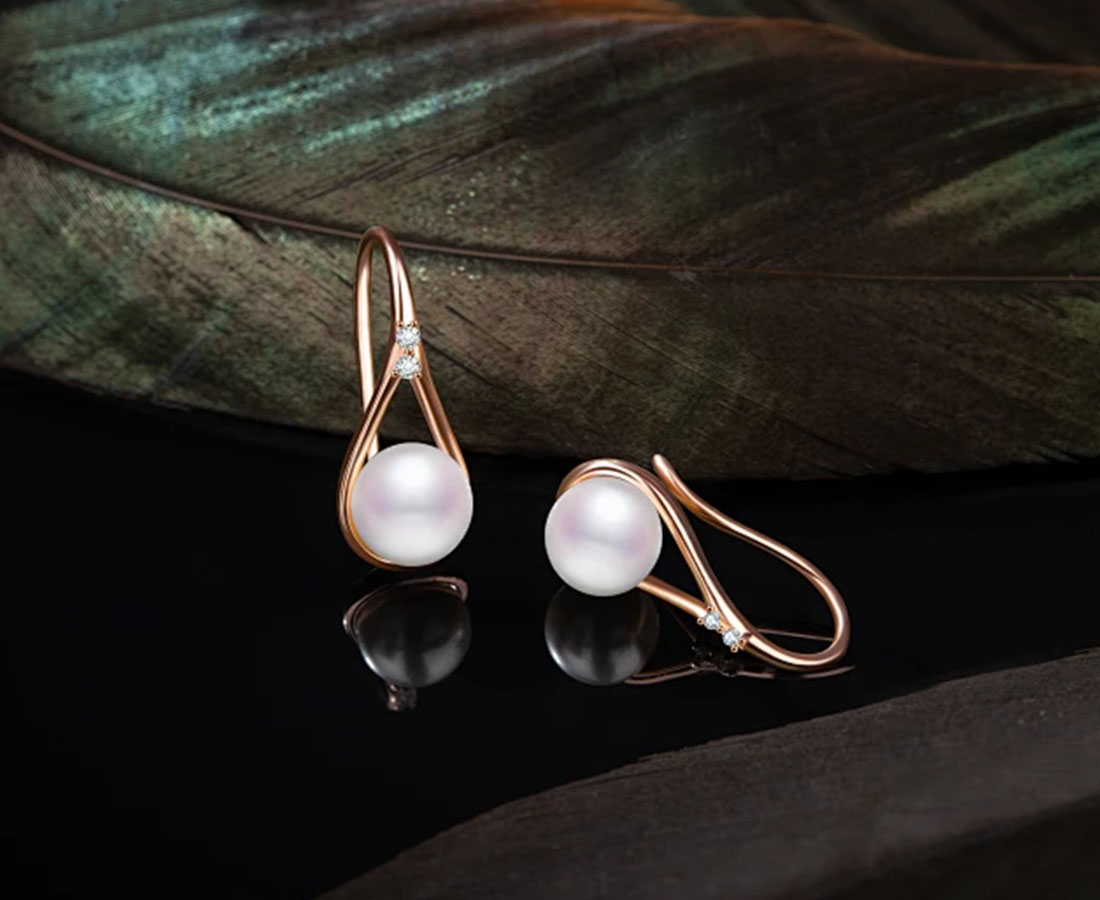
Win More Customers with Pearl
Jewelry
- By incorporating a variety of pearls—such as freshwater pearls, natural pearls, baroque pearls, and Tahitian pearls—your brand can create collections that cater to diverse tastes and stories. a wide audience.
- Freshwater pearls are known for their wide range of shapes, sizes, and colors, making them a versatile choice for designers. Their affordability allows your brand to offer elegant yet accessible pieces, appealing to a broad audience.
- Natural pearls, formed without human intervention, are rare treasures that exude luxury and exclusivity. Their unique origins and historical significance make them perfect for high-end, heirloom-quality pieces.
- Baroque pearls, with their irregular shapes and organic forms, are ideal for creating bold, artistic designs.
- Tahitian pearls, known for rich colors—ranging from peacock green to deep charcoal—make them perfect for luxurious, eye-catching designs. Tahitian pearls cater to customers who desire sophistication with a unique twist.
Send us a message
Contact Us